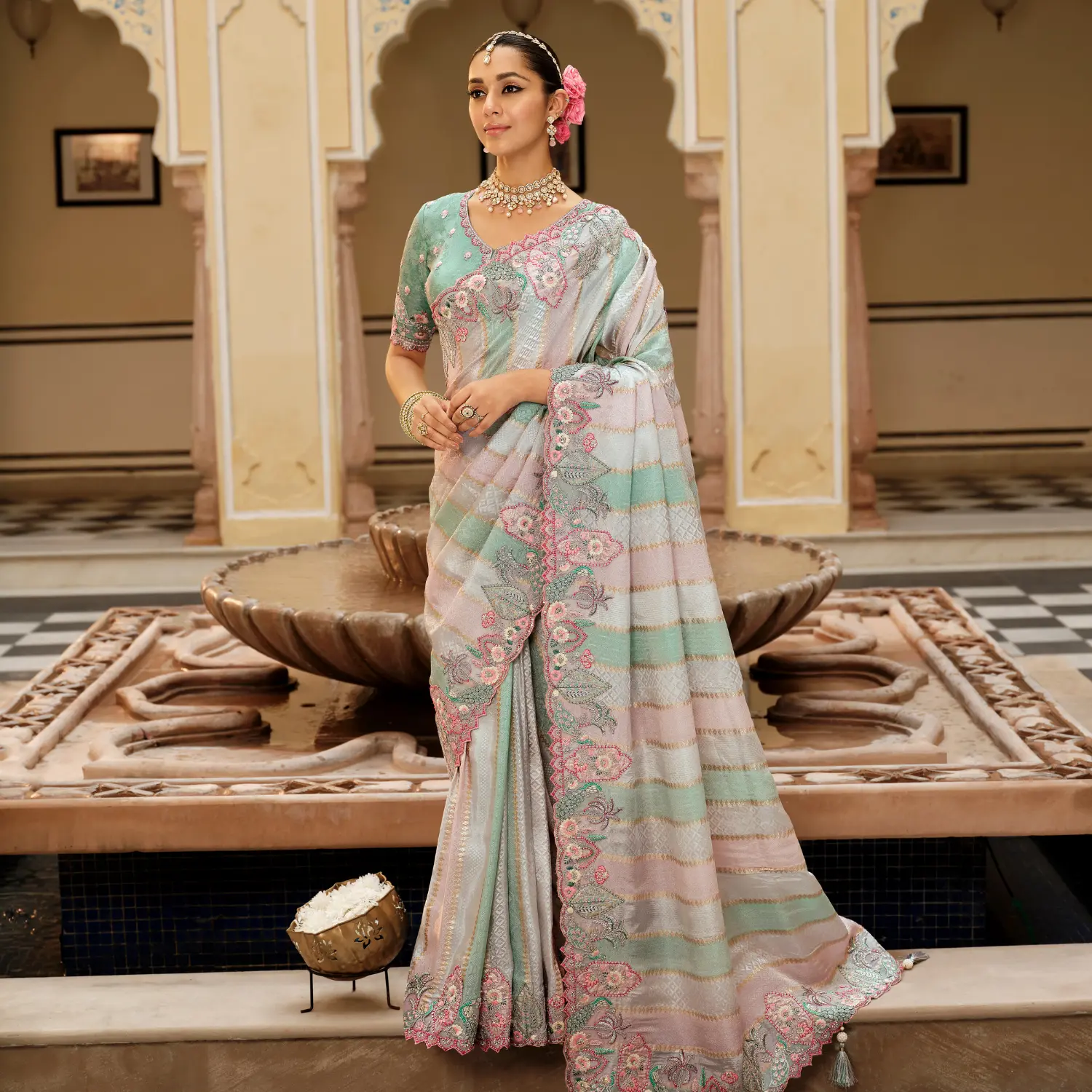
INTRODUCTION
Modern bridal fashion is no longer centred around a single outfit for the
entire wedding. Today’s brides are planning thoughtfully curated wardrobes that
offer variety, flexibility, and personal expression across multiple ceremonies.
Rather than investing in completely separate ensembles for every function, many
brides are embracing the concept of mix-and-match styling. This approach allows
individual pieces such as lehenga skirts, blouses, jackets, dupattas, and
overlays to be paired in different combinations, creating multiple looks from
fewer garments. Wedding outfit versatility has emerged as a key trend,
reflecting a shift toward intelligent styling, sustainability, and creative
self-expression.
The Shift from Single-Use Outfits to Modular
Dressing
Traditionally, bridal outfits were designed as fixed sets meant to be worn
once. However, modern brides are increasingly questioning this model. With
rising awareness around sustainability and conscious consumption, there is a
growing preference for garments that can be re-styled beyond the wedding day.
Modular dressing allows brides to treat their
bridal wardrobe as a collection of individual elements rather than complete
outfits. A heavily embroidered lehenga skirt can be paired with different
blouses for separate functions. A statement jacket can be layered over multiple
base outfits. This modular approach maximises the value of each garment while
encouraging creative styling.
Designing Pieces with Interchangeability in
Mind
Versatile bridal wardrobes start at the design stage. Brides are working
closely with designers to ensure colour palettes, embroidery styles, and fabric
textures complement each other. Neutral or harmonised tones allow pieces to mix
seamlessly.
For example, a lehenga skirt in a classic
shade can be paired with a contrasting blouse for a vibrant look or with a
tonal blouse for a cohesive appearance. Similarly, dupattas in complementary
colours can dramatically alter the mood of an outfit. By selecting adaptable
design elements, brides build a wardrobe that offers multiple styling
possibilities.
Styling for Different Wedding Functions
Different ceremonies call for different aesthetics. Pre-wedding events often
require lighter, playful looks, while the main wedding ceremony demands
grandeur. Reception outfits typically lean toward elegance and refinement.
Mix-and-match wardrobes allow brides to
adjust styling according to the function. A lehenga skirt paired with a simple
blouse and light dupatta works beautifully for mehendi or haldi. The same skirt
styled with a heavily embellished blouse and jacket becomes suitable for the
wedding ceremony. For the reception, adding a cape or swapping the blouse
creates an entirely new look.
This strategic styling ensures variety while
maintaining a cohesive visual story.
Encouraging Personal Expression Through
Styling
Versatile wardrobes give brides greater freedom to express their individuality.
Instead of being limited to a single designer-set look, brides can experiment
with silhouettes, textures, and layering.
Some brides prefer bold contrasts, while
others lean toward monochromatic elegance. Mix-and-match styling allows both
approaches to coexist within the same wardrobe. This creative flexibility
empowers brides to showcase different facets of their personality throughout
their wedding celebrations.
CONCLUSION
Wedding outfit versatility reflects a modern approach to bridal fashion that
values creativity, sustainability, and thoughtful design. By building
mix-and-match wardrobes, brides can enjoy multiple unique looks without excess
consumption. This trend redefines bridal dressing as an evolving style journey
rather than a one-time moment, allowing brides to celebrate every function with
a look that feels fresh, intentional, and personal.