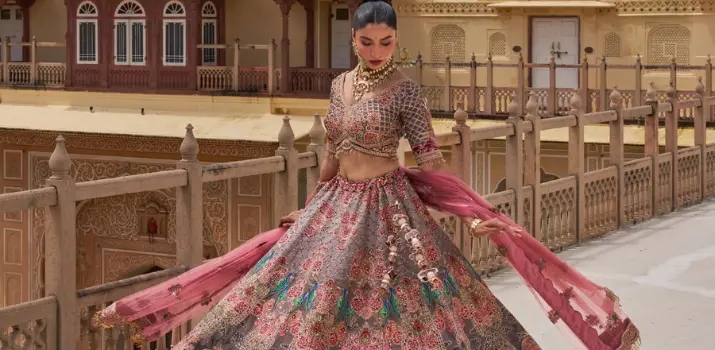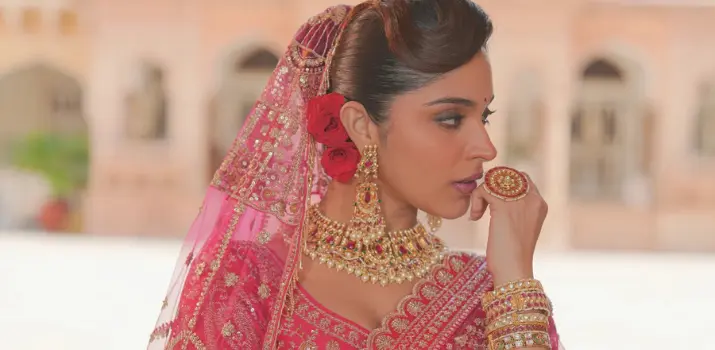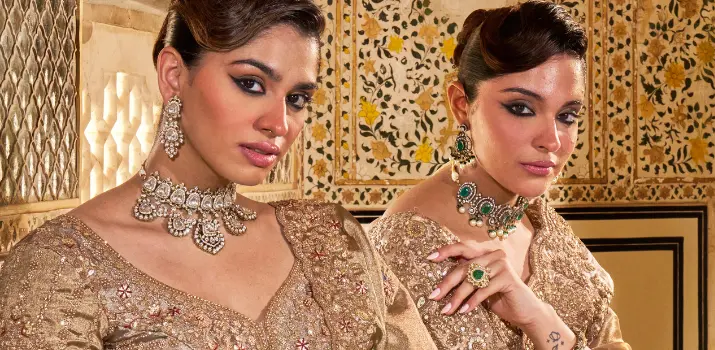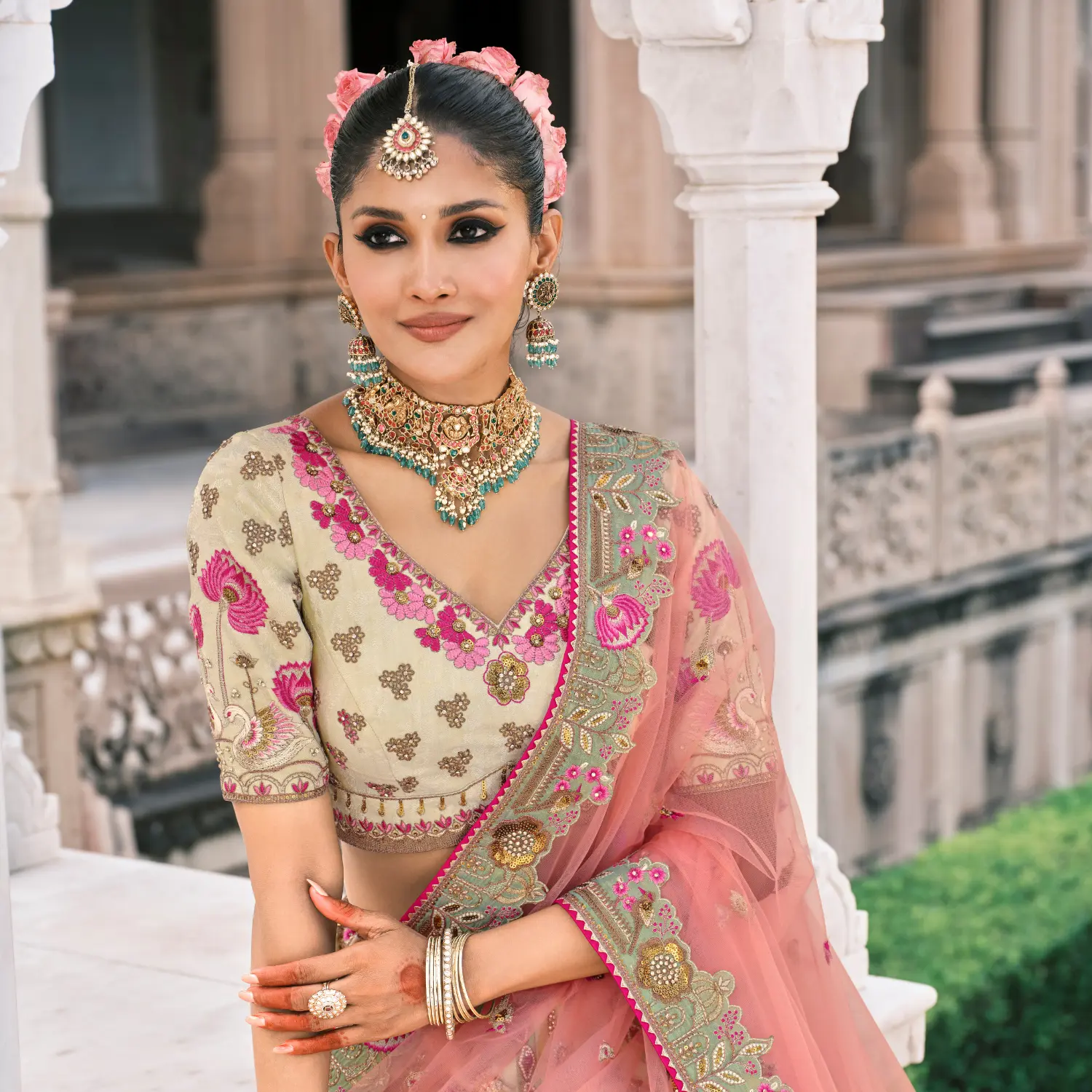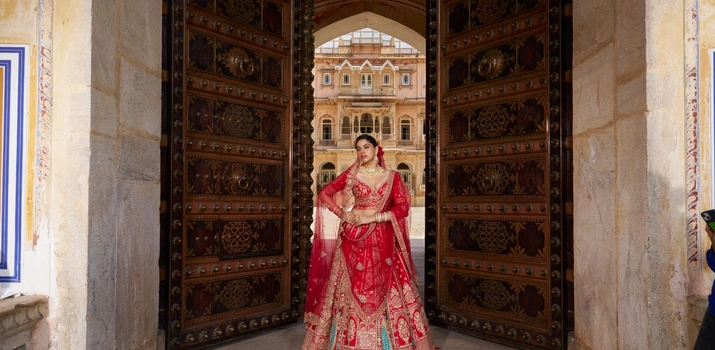
Bridal Look

DULHAN Diaries -
Inspiration, Trends, & Tips

Discover tips, trends, and stories to inspire your journey in fashion and creativity daily.

Bridal Silhouettes in Focus: How Skirt Shapes Are Defining the New-Age Lehenga Look Bridal Lehenga
February 13, 2026

Bridal Silhouettes in Focus: How Skirt Shapes Are Defining the New-Age Lehenga Look

INTRODUCTION Bridal fashion is evolving beyond surface-level aesthetics. While colours, embroidery, and embellishments remain important, modern brides are increasingly paying attention to one critical design element that shapes the entire look   the silhouette. Today’s lehenga is no longer defined only by fabric and ornamentation, but by the structure of its skirt. Silhouettes determine how an outfit moves, how it photographs, and how it complements a bride’s body type. From fluid A-line lehengas to dramatic circular skirts and structured panels, skirt shapes are redefining how contemporary brides express their personal style. This growing focus on silhouette reflects a shift toward thoughtful design choices that balance tradition with modern sensibilities.Understanding the Role of Silhouette in Bridal Design A silhouette is the foundation of any bridal outfit. It sets the tone before details such as embroidery or colour are even noticed. The way a lehenga falls, flares, or hugs the body impacts both comfort and visual impact. Modern bridal wear is moving away from one-size-fits-all volume toward intentional shaping. Designers are experimenting with varied cuts that enhance movement while maintaining grace.This shift allows brides to select silhouettes that align with their body proportions, wedding functions, and personal comfort levels. A bride who prefers ease of movement may choose a softly flared silhouette, while someone seeking a grand presence might opt for a voluminous circular skirt. The silhouette becomes a storytelling element, reflecting the bride’s personality and aesthetic preferences.Popular Lehenga Silhouettes Shaping Current Trends One of the most prominent silhouettes today is the A-line lehenga. Its balanced flare offers elegance without excessive volume, making it ideal for both intimate weddings and grand celebrations. Brides appreciate its versatility and universally flattering shape.Panelled lehengas are also gaining popularity. Vertical panels create length and structure, producing a slimming visual effect. These silhouettes work beautifully with intricate embroidery and layered textures.Circular and kalidar lehengas remain favourites for brides who love dramatic movement. With multiple panels and generous flare, these silhouettes create stunning visuals during bridal entries and dance moments.Straight-cut and minimal-flare skirts are emerging among brides who prefer understated elegance. These silhouettes emphasize clean lines and allow detailing to stand out without overwhelming the look.How Silhouette Influences Comfort and Functionality Modern brides prioritize comfort as much as aesthetics. Heavy bridal outfits worn for long hours can become exhausting if not thoughtfully constructed. The right silhouette distributes weight more evenly, reducing strain on the waist and hips.Flowing silhouettes allow better mobility, making it easier for brides to walk, sit, and dance. Structured silhouettes with lighter inner linings provide shape without excessive heaviness. Brides are now consulting designers specifically about silhouette engineering, not just surface decoration.This focus on wearability is a defining feature of new-age bridal fashion, where beauty and practicality coexist.Matching Silhouettes with Wedding Functions Bridal wardrobes today often include multiple outfits for different ceremonies. Silhouettes play a key role in differentiating these looks.For pre-wedding functions like mehendi and haldi, lighter silhouettes with softer flares offer ease and freshness. For the main wedding ceremony, brides often select fuller silhouettes that create a regal presence. Reception looks may lean toward structured or straight silhouettes that feel sophisticated and contemporary.This thoughtful distribution of silhouettes across functions helps brides build a cohesive yet varied wedding wardrobe. CONCLUSION The modern lehenga is no longer defined only by embellishment or colour. Silhouette has emerged as a central design element that shapes the entire bridal look. By focusing on skirt structure, today’s brides are making intentional fashion choices that reflect individuality, comfort, and elegance. As silhouettes continue to evolve, they will remain at the heart of bridal innovation, defining how tradition adapts to modern expression.

Read More
The Art of Layering in Bridal Fashion: Jackets, Capes & Overlays as Style Statements Bridal Lehenga
February 13, 2026

The Art of Layering in Bridal Fashion: Jackets, Capes & Overlays as Style Statements

INTRODUCTION Bridal fashion has always celebrated richness and detail, but contemporary bridal wear is embracing a new dimension of design: layering. Jackets, capes, and overlays are no longer considered add-ons; they are becoming central style elements that redefine the bridal silhouette. Layering introduces depth, versatility, and visual intrigue while allowing brides to experiment with modern aesthetics without abandoning tradition. This trend reflects a growing desire among brides to personalise their wedding look through thoughtful styling rather than relying solely on heavy embellishment.The Evolution of Layering in Bridal Wear Layering has its roots in traditional Indian attire, where dupattas, odhnis, and shawls were integral to bridal dressing. Today, this heritage concept is being reimagined through structured jackets, sheer capes, peplum overlays, and longline coats. Designers are blending traditional craftsmanship with contemporary tailoring to create layers that feel intentional rather than ornamental.This evolution allows brides to enjoy the elegance of multi-dimensional styling while maintaining a clean, modern appearance. Layering transforms a single outfit into a statement ensemble by adding complexity and movement.Jackets as Architectural Elements Bridal jackets have emerged as powerful design components. Whether cropped, waist-length, or floor-length, jackets add structure and definition to lehengas and anarkalis. Heavily embroidered jackets can replace traditional dupattas, creating a bold focal point. Lighter jackets with minimal detailing offer a refined alternative for brides who prefer subtlety.Jackets also allow experimentation with contrasts. A heavily embellished lehenga paired with a simpler jacket creates balance, while a statement jacket over a minimal skirt shifts attention upward. This flexibility makes jackets an attractive option for brides seeking a personalised look.Capes and Sheer Overlays for Soft Drama Capes introduce movement and romance into bridal styling. Flowing from the shoulders or neckline, capes frame the bride while adding softness to the overall look. Sheer fabrics such as tulle, organza, and net allow embroidery to float visually, creating an ethereal effect.Unlike traditional dupattas, capes stay in place without constant adjustment, offering both elegance and practicality. Brides who desire drama without heaviness often gravitate toward capes as a modern alternative.Layering as a Tool for Versatility One of the biggest advantages of layering is versatility. Brides can add or remove layers across different functions, transforming the same base outfit into multiple looks. A lehenga worn with a jacket for the ceremony can be styled with a cape or without any overlay for the reception.This adaptability appeals to brides who want efficient wardrobe planning without compromising on variety. Layering allows a single outfit to evolve throughout the wedding celebrations. CONCLUSION Layering has become an art form in modern bridal fashion. Jackets, capes, and overlays add depth, individuality, and versatility to bridal ensembles. By embracing layered styling, brides can create looks that feel both timeless and contemporary, making a strong personal statement while honouring tradition.

Read More
Wedding Outfit Versatility: How Brides Are Building Mix-and-Match Bridal Wardrobes Bridal Lehenga
February 13, 2026

Wedding Outfit Versatility: How Brides Are Building Mix-and-Match Bridal Wardrobes

INTRODUCTION Modern bridal fashion is no longer centred around a single outfit for the entire wedding. Today’s brides are planning thoughtfully curated wardrobes that offer variety, flexibility, and personal expression across multiple ceremonies. Rather than investing in completely separate ensembles for every function, many brides are embracing the concept of mix-and-match styling. This approach allows individual pieces such as lehenga skirts, blouses, jackets, dupattas, and overlays to be paired in different combinations, creating multiple looks from fewer garments. Wedding outfit versatility has emerged as a key trend, reflecting a shift toward intelligent styling, sustainability, and creative self-expression.The Shift from Single-Use Outfits to Modular Dressing Traditionally, bridal outfits were designed as fixed sets meant to be worn once. However, modern brides are increasingly questioning this model. With rising awareness around sustainability and conscious consumption, there is a growing preference for garments that can be re-styled beyond the wedding day.Modular dressing allows brides to treat their bridal wardrobe as a collection of individual elements rather than complete outfits. A heavily embroidered lehenga skirt can be paired with different blouses for separate functions. A statement jacket can be layered over multiple base outfits. This modular approach maximises the value of each garment while encouraging creative styling.Designing Pieces with Interchangeability in Mind Versatile bridal wardrobes start at the design stage. Brides are working closely with designers to ensure colour palettes, embroidery styles, and fabric textures complement each other. Neutral or harmonised tones allow pieces to mix seamlessly.For example, a lehenga skirt in a classic shade can be paired with a contrasting blouse for a vibrant look or with a tonal blouse for a cohesive appearance. Similarly, dupattas in complementary colours can dramatically alter the mood of an outfit. By selecting adaptable design elements, brides build a wardrobe that offers multiple styling possibilities.Styling for Different Wedding Functions Different ceremonies call for different aesthetics. Pre-wedding events often require lighter, playful looks, while the main wedding ceremony demands grandeur. Reception outfits typically lean toward elegance and refinement.Mix-and-match wardrobes allow brides to adjust styling according to the function. A lehenga skirt paired with a simple blouse and light dupatta works beautifully for mehendi or haldi. The same skirt styled with a heavily embellished blouse and jacket becomes suitable for the wedding ceremony. For the reception, adding a cape or swapping the blouse creates an entirely new look.This strategic styling ensures variety while maintaining a cohesive visual story.Encouraging Personal Expression Through Styling Versatile wardrobes give brides greater freedom to express their individuality. Instead of being limited to a single designer-set look, brides can experiment with silhouettes, textures, and layering.Some brides prefer bold contrasts, while others lean toward monochromatic elegance. Mix-and-match styling allows both approaches to coexist within the same wardrobe. This creative flexibility empowers brides to showcase different facets of their personality throughout their wedding celebrations. CONCLUSION Wedding outfit versatility reflects a modern approach to bridal fashion that values creativity, sustainability, and thoughtful design. By building mix-and-match wardrobes, brides can enjoy multiple unique looks without excess consumption. This trend redefines bridal dressing as an evolving style journey rather than a one-time moment, allowing brides to celebrate every function with a look that feels fresh, intentional, and personal.

Read More
Minimalist Bridal Fashion: Why Understated Elegance Is Gaining Popularity Bridal Lehenga
February 13, 2026

Minimalist Bridal Fashion: Why Understated Elegance Is Gaining Popularity

INTRODUCTION For decades, bridal fashion has been associated with heavy embellishment, dense embroidery, and highly ornate silhouettes. While opulence continues to hold a special place in weddings, a noticeable shift is taking place. An increasing number of brides are gravitating toward minimalist bridal fashion. This approach celebrates restraint, clean design, and thoughtful detailing rather than excess. Minimalist bridal wear focuses on refined craftsmanship, balanced proportions, and subtle beauty. Instead of overwhelming visual impact, it aims to create a lasting impression through elegance and sophistication. This growing preference reflects a deeper change in how brides define luxury and personal style.Redefining Luxury Through Simplicity Luxury today is no longer measured only by weight of embroidery or quantity of embellishments. Modern luxury is defined by quality, craftsmanship, and intentional design. Minimalist bridal outfits highlight fine fabrics, precise tailoring, and carefully placed details.Silk, satin, organza, and fine crepe are frequently chosen for their natural sheen and fluidity. Clean lines allow the beauty of these fabrics to stand out. Subtle textures, delicate threadwork, or tonal embroidery add depth without overwhelming the outfit. This restrained approach creates a sense of quiet luxury that feels timeless rather than trend-driven.Clean Silhouettes and Balanced Proportions Minimalist bridal fashion places strong emphasis on silhouette. Straight-cut lehengas, softly flared skirts, structured anarkalis, and sleek saree drapes are popular choices. These silhouettes create an elegant frame that feels modern and effortless.Balanced proportions play a crucial role. Instead of dramatic volume, designers focus on harmonious shaping that enhances the bride’s natural form. This results in outfits that feel comfortable, graceful, and easy to carry. The absence of excessive layers allows movement to remain fluid, adding to the overall refinement of the look.The Power of Thoughtful Detailing Minimalism does not mean lack of detail. Instead, it relies on intentional placement. A single statement motif, a beautifully embroidered border, or a subtle play of textures can become the focal point.Brides often choose monochromatic palettes where variations in texture replace contrast in colour. Soft pastels, ivories, muted golds, and warm neutrals dominate minimalist bridal palettes. These tones enhance the sense of calm elegance while offering versatility across different lighting and settings.Why Brides Are Choosing Understated Looks Many brides are seeking authenticity in their wedding style. They want outfits that feel true to their personality rather than following expectations. Minimalist bridal fashion allows individuality to shine through subtle choices.Another factor is longevity. Brides increasingly consider how their outfits will look in photographs years later. Minimalist designs tend to age gracefully, maintaining relevance long after trends change. Comfort is also a key driver. Lighter outfits are easier to wear for extended ceremonies and celebrations. CONCLUSION Minimalist bridal fashion represents a shift toward refined expression and thoughtful design. By focusing on clean silhouettes, quality craftsmanship, and subtle detailing, understated elegance is redefining what it means to be a modern bride. This trend proves that beauty does not require excess. Sometimes, the most powerful statement is made through simplicity.

Read More
The Comeback of Vintage Motifs: Heritage Patterns Making a Modern Bridal Return Bridal Lehenga
February 13, 2026

The Comeback of Vintage Motifs: Heritage Patterns Making a Modern Bridal Return

INTRODUCTION Bridal fashion is constantly evolving, yet some of the most powerful influences come from the past. Across recent bridal collections, a strong revival of vintage motifs is taking place. Traditional patterns that once defined heirloom garments are being rediscovered and reinterpreted for contemporary brides. These heritage motifs carry stories, symbolism, and cultural depth, making them more than decorative elements. Their return reflects a growing desire among brides to connect with tradition while embracing modern design sensibilities. This blend of old-world artistry and contemporary styling is shaping a new era of bridal fashion.The Timeless Appeal of Heritage Motifs Heritage motifs have endured for centuries because they hold cultural meaning and aesthetic balance. Floral vines, paisleys, temple-inspired elements, geometric borders, and symbolic animals have long been woven into bridal textiles across regions. These motifs were traditionally handcrafted, often passed down through generations.Their appeal lies in their familiarity and emotional value. Brides today are drawn to these motifs not only for their beauty but also for the sense of continuity they offer. Wearing heritage-inspired designs creates a connection to ancestry and craftsmanship, making the bridal outfit feel deeply personal.Modern Interpretations of Traditional Patterns While the motifs themselves remain rooted in tradition, their presentation has evolved. Designers are reimagining classic patterns through contemporary techniques and placements. Instead of covering the entire outfit with dense repetition, motifs are now strategically placed to create visual focus.Scale is also being reconsidered. Oversized motifs are appearing as statement elements, while micro motifs add delicate texture. Negative space is used to highlight pattern work, allowing heritage designs to breathe within modern silhouettes. This thoughtful reinterpretation keeps traditional motifs relevant for today’s bride.Blending Heritage with Contemporary Silhouettes The revival of vintage motifs is closely linked to modern silhouettes. Traditional patterns are being applied to clean, contemporary cuts such as straight lehengas, structured anarkalis, minimalist sarees, and tailored jackets.This contrast between ornate motifs and simplified silhouettes creates a balanced aesthetic. The richness of heritage design is preserved, while the overall look remains fresh and uncluttered. Brides who appreciate tradition but prefer modern styling find this combination especially appealing.Symbolism and Storytelling in Bridal Design Vintage motifs often carry symbolic meanings related to prosperity, fertility, protection, and celebration. By choosing these patterns, brides incorporate storytelling into their attire.Modern brides increasingly value this narrative aspect. Rather than selecting outfits purely for visual impact, they seek designs that reflect identity and heritage. This shift toward meaningful design adds emotional depth to bridal fashion. CONCLUSION The comeback of vintage motifs highlights the enduring power of heritage craftsmanship. By reinterpreting traditional patterns through modern design approaches, bridal fashion achieves a beautiful balance between past and present. Heritage motifs are no longer confined to history; they are becoming central to contemporary bridal expression. This revival ensures that cultural artistry continues to evolve while remaining deeply rooted in tradition.

Read More
Lehengas & Statement Dupattas: Trend Forecast for Weddings & Festivals Bridal Lehenga
January 15, 2026

Lehengas & Statement Dupattas: Trend Forecast for Weddings & Festivals

IntroductionWedding and festive fashion continues to evolve, but lehengas remain at the heart of Indian celebration wear. In recent seasons, styling has shifted toward expressive details—particularly mirror work lehengas and bold statement dupattas that add drama, movement, and individuality to traditional ensembles. These elements are driving strong search interest as shoppers look for impactful yet timeless festive Indian wear 2026.For both brides and wedding guests, lehengas paired with statement dupattas offer endless possibilities for personalised styling across ceremonies and celebrations.Mirror Work Lehengas: Reflecting Craft and CelebrationMirror work lehengas have re-emerged as a key trend in wedding and festive fashion. The reflective detailing adds visual depth, making these garments especially striking under festive lighting and during evening events.Mirror work is valued for:·        Enhancing surface texture and craftsmanship·        Creating a vibrant, celebratory look·        Elevating both traditional and contemporary lehenga silhouettesThis form of embellishment balances heritage techniques with modern appeal, making mirror work lehengas a popular choice for weddings and high-energy festivities.Statement Dupattas as a Styling CentrepieceA statement dupatta has become one of the most influential elements in lehenga styling. Rather than serving as a supporting layer, the dupatta now acts as a focal point—defining the overall aesthetic of the outfit.Popular statement dupatta trends include:·        Heavily embroidered borders·        Mirror and threadwork detailing·        Contrasting colours paired with subtle lehengasThese dupattas allow wearers to refresh their look without changing the entire outfit, making them both versatile and impactful.Wedding and Festive Lehengas for 2026As fashion moves toward festive Indian wear 2026, lehengas are becoming more adaptable and expressive. Brides and guests alike are opting for silhouettes that balance tradition with comfort and modern styling.Key lehenga trends include:·        Layered embroidery with lighter bases·        Modular styling using detachable dupattas·        Designs that transition seamlessly from weddings to festivalsThese features align with growing search intent around wearable yet statement-making ethnic wear.Styling Lehengas for Weddings and FestivalsThe beauty of lehengas lies in their styling versatility. A single lehenga can be transformed through:·        Different dupatta drapes·        Statement jewellery or minimalist accessories·        Layered ethnic styling that enhances movement and proportionThis flexibility makes lehengas ideal for multiple wedding functions and festive events, ensuring long-term value.Dulhan's Lehengas and Festive CollectionsAt Dulhan, lehengas are curated to reflect both craftsmanship and contemporary trends. From intricately detailed designs to elegant festive ensembles, Dulhan lehengas and coordinated dupattas are crafted to suit weddings, receptions, and celebratory occasions.Dulhan's ethnic store offers a range of festive wear that embraces modern styling while preserving traditional artistry—making it a destination for thoughtfully designed wedding and festival attire.ConclusionLehengas and statement dupattas continue to define Indian wedding and festive fashion. With rising interest in mirror work lehengas and adaptable styling, these ensembles remain timeless yet trend-forward. As celebrations evolve, lehengas paired with statement dupattas offer the perfect balance of tradition, individuality, and elegance—ensuring their place as a cornerstone of festive Indian wear well into the future.

Read More
Pre-Draped & Belted Saree Styles for Easy Festive Glam Style Tips
January 15, 2026

Pre-Draped & Belted Saree Styles for Easy Festive Glam

IntroductionModern festive dressing is evolving toward styles that balance elegance with ease. Among the most searched and shared trends today are pre-draped sarees and the belted saree look, both of which offer a contemporary approach to traditional draping. These styles cater to women who want the grace of a saree without the complexity of pleating and pinning—making them ideal for festive celebrations and weddings.As demand for easy festive saree styles grows, these modern silhouettes are becoming wardrobe essentials rather than passing trends.The Rise of Pre-Draped SareesPre-draped sarees have transformed how Indian women approach occasion wear. Designed to be worn effortlessly, they preserve the elegance of a saree while offering comfort and confidence throughout long celebrations.Pre-draped sarees are popular because they:·        Eliminate the need for traditional draping·        Allow free movement during festive events·        Create a polished, structured silhouetteThese styles are especially favoured for receptions, cocktail events, and pre-wedding functions where practicality and visual impact are equally important.Belted Saree Look: Modern Structure with Traditional GraceThe belted saree look adds a contemporary edge to classic drapes. A belt cinches the waist, creating definition while enhancing the saree's overall structure. This styling approach works beautifully with both traditional and modern fabrics.Belts help:·        Accentuate the silhouette·        Keep drapes secure and fuss-free·        Add a fashion-forward statement to festive looksPaired with bold ethnic sarees, belted styles offer a refined balance between tradition and modern styling.Easy Festive Saree Styles for CelebrationsEase has become a key factor in festive fashion choices. Women increasingly seek easy festive saree styles that look elegant without demanding constant adjustment.Popular styling choices include:·        Pre-stitched drapes with contemporary blouses·        Lightweight fabrics with structured pleats·        Sarees styled with belts, jackets, or minimal accessoriesThese options ensure that festive and wedding saree looks remain graceful, comfortable, and camera-ready.Pre-Draped Sarees in Festive and Wedding WearPre-draped sarees are no longer limited to casual celebrations. They are now widely accepted as festive & wedding ethnic wear, offering versatility across functions.From engagement ceremonies to receptions, modern saree silhouettes allow wearers to enjoy tradition without compromising on movement or comfort. Their popularity also reflects rising online searches for wearable, contemporary ethnic fashion.Dulhan's Saree Styling PerspectiveDulhan's saree collections embrace both traditional elegance and modern convenience. From Dulhan sarees crafted in rich fabrics to contemporary silhouettes suited for pre-draped and belted styling, the ethnic store offers options that align with evolving festive preferences.Each saree is designed to adapt effortlessly to modern styling trends while retaining cultural authenticity—making them suitable for weddings, festivals, and celebratory gatherings.ConclusionThe growing popularity of pre-draped sarees and the belted saree look reflects a broader shift toward effortless elegance in Indian ethnic fashion. As women increasingly seek easy festive saree styles, these modern interpretations ensure that sarees remain relevant, wearable, and stylish for today's celebrations. By blending tradition with convenience, pre-draped and belted sarees continue to redefine festive and wedding dressing with grace and confidence.

Read More
Sustainable & Handloom Ethnic Wear: Fabrics & Crafts Shaping 2026 Festive Wear
January 15, 2026

Sustainable & Handloom Ethnic Wear: Fabrics & Crafts Shaping 2026

IntroductionSustainability has become a powerful influence in Indian fashion, shaping not only how garments are produced but also how shoppers discover and choose ethnic wear online. Search interest around handloom sarees, sustainable ethnic fabrics, and eco friendly Indian wear continues to grow as consumers seek fashion that balances beauty with responsibility.As Indian ethnic wear evolves, sustainability is no longer a niche concept—it is a defining direction shaping festive, wedding, and everyday ethnic wardrobes for 2026 and beyond.Why Sustainable Ethnic Wear Matters TodayModern consumers are becoming increasingly aware of the environmental and cultural impact of their clothing choices. Sustainable ethnic wear supports slower fashion cycles, responsible sourcing, and craftsmanship that values longevity over disposability.This shift has made keywords like sustainable ethnic fabrics and eco friendly Indian wear strong search drivers, particularly among wedding shoppers and conscious buyers who want meaningful purchases rather than one-time outfits.Handloom Sarees and the Value of CraftHandloom sarees represent the foundation of sustainable Indian fashion. Woven using traditional techniques, these garments preserve textile heritage while supporting artisan communities.Handloom fabrics stand out for:·        Natural texture and breathable comfort·        Durability and long-term wearability·        Unique weaves that cannot be replicated by machinesBy choosing handloom, wearers invest in craftsmanship that carries cultural depth and individuality—qualities increasingly valued in festive and wedding ethnic wear.Sustainable Ethnic Fabrics Shaping 2026Sustainability in ethnic wear begins with fabric choice. Natural fibres and responsibly sourced textiles are gaining preference for their comfort, durability, and reduced environmental impact.Key sustainable fabric trends include:·        Handwoven silks and cotton blends·        Lightweight natural fabrics that age gracefully·        Low-impact dyeing and traditional finishing techniquesThese materials allow ethnic wear to remain elegant while aligning with conscious fashion values.Ethical Craftsmanship and LongevityBeyond fabric, sustainability is deeply connected to craftsmanship. Hand embroidery, weaving, and detailing ensure that each garment holds lasting value. Instead of trend-driven fast fashion, sustainable ethnic wear focuses on pieces that can be reused, restyled, and preserved.Well-crafted garments often transition into heirloom pieces, strengthening emotional connection and reducing fashion waste.Dulhan's Approach to Sustainable Ethnic WearAt Dulhan, ethnic wear is curated with an emphasis on craftsmanship, quality, and timeless appeal. From thoughtfully designed sarees to intricately crafted festive ensembles, Dulhan supports fashion that extends beyond single-use occasions.By offering designs rooted in tradition and durability, Dulhan aligns with the growing demand for sustainable ethnic fabrics and mindful fashion choices, making the ethnic store a destination for conscious celebration wear.ConclusionSustainable and handloom ethnic wear is shaping the future of Indian fashion. As shoppers increasingly search for handloom sarees, eco friendly Indian wear, and ethically crafted garments, sustainability becomes both a style statement and a value-driven choice. By embracing responsible fabrics and skilled craftsmanship, Indian ethnic wear continues to evolve—honouring tradition while building a more thoughtful future.

Read More
Gen Z Ethnic Trends: Pastel Co-ords, Indo-Western Fusion & Sneaker Sarees Style Tips
January 15, 2026

Gen Z Ethnic Trends: Pastel Co-ords, Indo-Western Fusion & Sneaker Sarees

IntroductionGen Z is reshaping Indian ethnic fashion with a strong focus on comfort, versatility, and personal expression. Unlike traditional occasion-only dressing, younger shoppers prefer outfits that blend cultural roots with modern styling. This shift has driven rising interest in pastel co-ords, Indo-Western fusion, and experimental styles like sarees with sneakers, making these trends both fashion-forward and highly searchable.For brands like Dulhan, this evolution opens new opportunities to connect tradition with contemporary wardrobes.The Rise of Pastel Co-Ord SetsSoft, muted hues are becoming a defining feature of Gen Z ethnic style. Ethnic co-ord sets in pastel shades such as blush pink, mint green, lavender, and ivory offer a fresh alternative to traditional deep tones.Pastel co-ords are popular because they:·        Feel lightweight and comfortable·        Transition easily from festive to casual settings·        Allow easy styling with minimal accessoriesTheir clean silhouettes and calming colour palette make them a preferred choice for daytime functions, intimate celebrations, and modern festive wear.Indo-Western Fusion: Tradition with a Modern TwistIndo-Western fusion is at the heart of Gen Z fashion choices. Mixing traditional Indian elements with Western silhouettes allows wearers to create looks that feel personal and contemporary.Popular fusion styles include:·        Lehengas paired with crop tops or jackets·        Kurta sets styled with modern footwear·        Sarees worn with structured blouses or beltsThese combinations align with growing search interest in fusion lehengas and modern ethnic outfits that balance heritage with individuality.Sarees with Sneakers: Comfort Meets StyleOne of the most playful Gen Z trends is styling sarees with sneakers. This look breaks traditional norms while prioritising comfort, especially for long celebrations and social events.Sneaker sarees work well for:·        Pre-wedding events·        College festivals and celebrations·        Fashion-forward festive gatheringsThis trend reflects Gen Z's preference for styling freedom and practicality without losing cultural identity.Why These Trends Are Gaining Search PopularityGen Z shoppers actively search for fashion that feels wearable, expressive, and versatile. Keywords such as pastel co-ords, ethnic co-ord sets, Indo-Western fusion, and sarees with sneakers reflect changing buying intent—moving away from one-time occasion wear toward reusable ethnic styles.Content that highlights these trends naturally performs better by matching both fashion interest and search behaviour.Dulhan's Take on Gen Z Ethnic FashionDulhan's collections cater to evolving preferences by offering contemporary silhouettes alongside traditional craftsmanship. From pastel-toned ensembles to fusion-inspired ethnic wear, Dulhan allows younger shoppers to experiment with style while staying connected to Indian aesthetics.Whether it's a co-ord set, a modern lehenga, or a creatively styled saree, Dulhan's designs support Gen Z's desire for comfort, creativity, and cultural relevance.Conclusion Gen Z ethnic fashion reflects a shift toward individuality and versatility. With pastel co-ords, Indo-Western fusion, and experimental styles like sneaker sarees, Indian wear continues to evolve while remaining culturally rooted. These trends represent the future of ethnic fashion—where tradition adapts to modern lifestyles without losing its essence.

Read More

Join Our Exclusive Bridal Circle

Become a member and enjoy exclusive discounts, early updates to new designs, and unique offers. Sign up now and be part of the Dulhan Family!