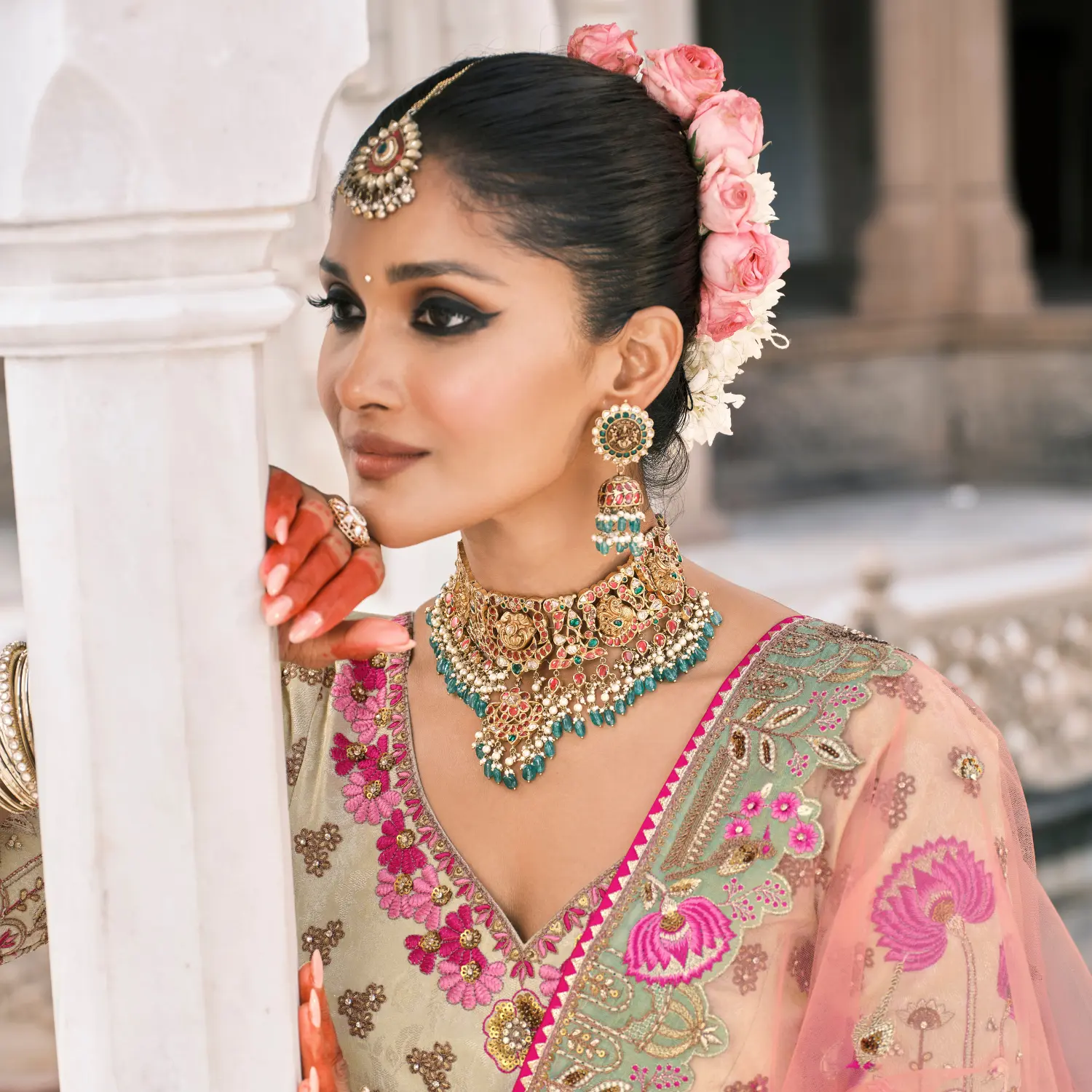
INTRODUCTION
Bridal fashion is constantly evolving, yet some of the most powerful influences
come from the past. Across recent bridal collections, a strong revival of
vintage motifs is taking place. Traditional patterns that once defined heirloom
garments are being rediscovered and reinterpreted for contemporary brides.
These heritage motifs carry stories, symbolism, and cultural depth, making them
more than decorative elements. Their return reflects a growing desire among
brides to connect with tradition while embracing modern design sensibilities.
This blend of old-world artistry and contemporary styling is shaping a new era
of bridal fashion.
The Timeless Appeal of Heritage Motifs
Heritage motifs have endured for centuries because they hold cultural meaning
and aesthetic balance. Floral vines, paisleys, temple-inspired elements,
geometric borders, and symbolic animals have long been woven into bridal
textiles across regions. These motifs were traditionally handcrafted, often
passed down through generations.
Their appeal lies in their familiarity and
emotional value. Brides today are drawn to these motifs not only for their
beauty but also for the sense of continuity they offer. Wearing
heritage-inspired designs creates a connection to ancestry and craftsmanship,
making the bridal outfit feel deeply personal.
Modern Interpretations of Traditional
Patterns
While the motifs themselves remain rooted in tradition, their presentation has
evolved. Designers are reimagining classic patterns through contemporary
techniques and placements. Instead of covering the entire outfit with dense
repetition, motifs are now strategically placed to create visual focus.
Scale is also being reconsidered. Oversized
motifs are appearing as statement elements, while micro motifs add delicate
texture. Negative space is used to highlight pattern work, allowing heritage
designs to breathe within modern silhouettes. This thoughtful reinterpretation
keeps traditional motifs relevant for today’s bride.
Blending Heritage with Contemporary
Silhouettes
The revival of vintage motifs is closely linked to modern silhouettes.
Traditional patterns are being applied to clean, contemporary cuts such as
straight lehengas, structured anarkalis, minimalist sarees, and tailored
jackets.
This contrast between ornate motifs and
simplified silhouettes creates a balanced aesthetic. The richness of heritage
design is preserved, while the overall look remains fresh and uncluttered.
Brides who appreciate tradition but prefer modern styling find this combination
especially appealing.
Symbolism and Storytelling in Bridal Design
Vintage motifs often carry symbolic meanings related to prosperity, fertility,
protection, and celebration. By choosing these patterns, brides incorporate
storytelling into their attire.
Modern brides increasingly value this
narrative aspect. Rather than selecting outfits purely for visual impact, they
seek designs that reflect identity and heritage. This shift toward meaningful
design adds emotional depth to bridal fashion.
CONCLUSION
The comeback of vintage motifs highlights the enduring power of heritage
craftsmanship. By reinterpreting traditional patterns through modern design
approaches, bridal fashion achieves a beautiful balance between past and
present. Heritage motifs are no longer confined to history; they are becoming
central to contemporary bridal expression. This revival ensures that cultural
artistry continues to evolve while remaining deeply rooted in tradition.