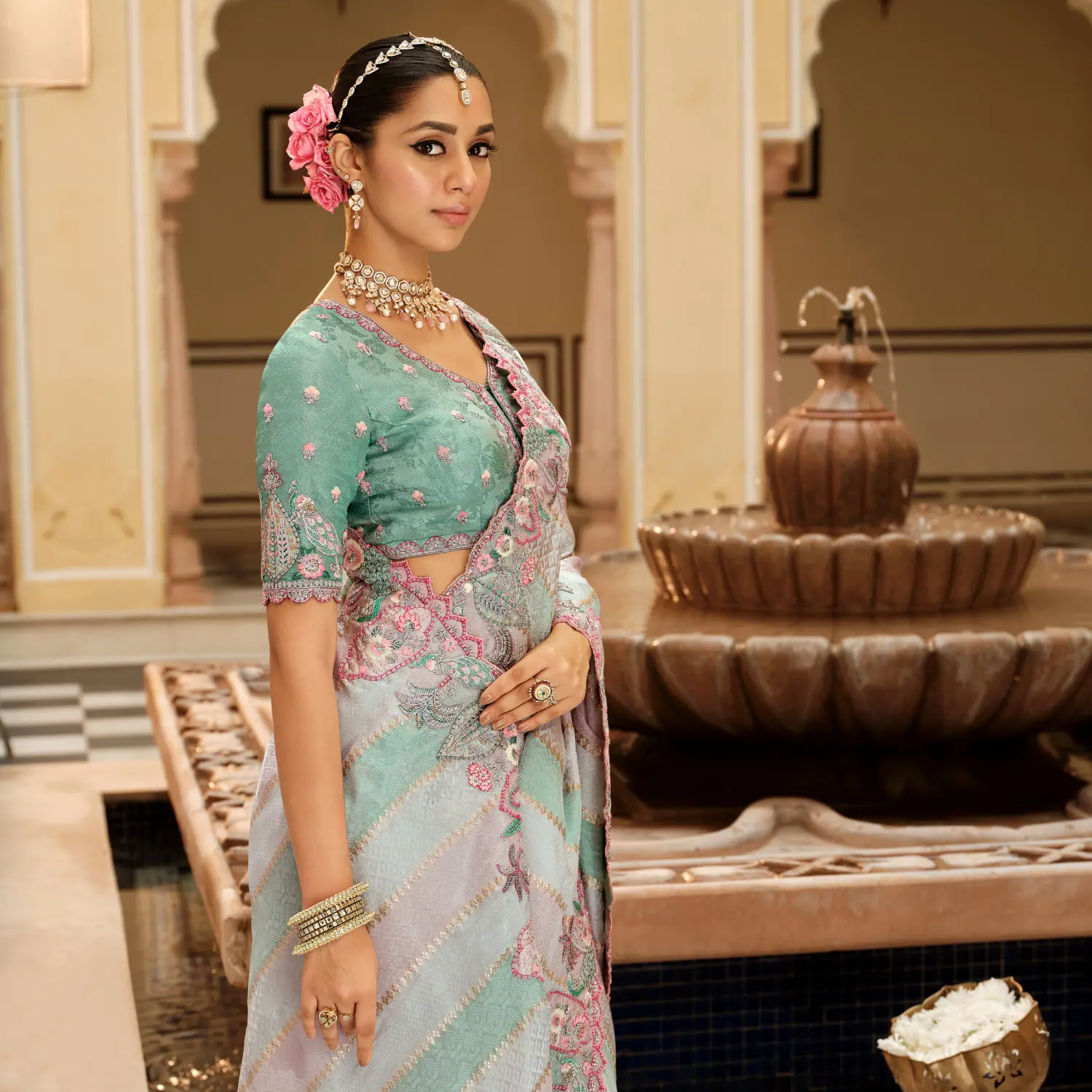
INTRODUCTION
For decades, bridal fashion has been associated with heavy embellishment, dense
embroidery, and highly ornate silhouettes. While opulence continues to hold a
special place in weddings, a noticeable shift is taking place. An increasing
number of brides are gravitating toward minimalist bridal fashion. This
approach celebrates restraint, clean design, and thoughtful detailing rather
than excess. Minimalist bridal wear focuses on refined craftsmanship, balanced
proportions, and subtle beauty. Instead of overwhelming visual impact, it aims
to create a lasting impression through elegance and sophistication. This
growing preference reflects a deeper change in how brides define luxury and
personal style.
Redefining Luxury Through Simplicity
Luxury today is no longer measured only by weight of embroidery or quantity of
embellishments. Modern luxury is defined by quality, craftsmanship, and
intentional design. Minimalist bridal outfits highlight fine fabrics, precise
tailoring, and carefully placed details.
Silk, satin, organza, and fine crepe are
frequently chosen for their natural sheen and fluidity. Clean lines allow the
beauty of these fabrics to stand out. Subtle textures, delicate threadwork, or
tonal embroidery add depth without overwhelming the outfit. This restrained
approach creates a sense of quiet luxury that feels timeless rather than
trend-driven.
Clean Silhouettes and Balanced Proportions
Minimalist bridal fashion places strong emphasis on silhouette. Straight-cut
lehengas, softly flared skirts, structured anarkalis, and sleek saree drapes
are popular choices. These silhouettes create an elegant frame that feels
modern and effortless.
Balanced proportions play a crucial role.
Instead of dramatic volume, designers focus on harmonious shaping that enhances
the bride’s natural form. This results in outfits that feel comfortable,
graceful, and easy to carry. The absence of excessive layers allows movement to
remain fluid, adding to the overall refinement of the look.
The Power of Thoughtful Detailing
Minimalism does not mean lack of detail. Instead, it relies on intentional
placement. A single statement motif, a beautifully embroidered border, or a
subtle play of textures can become the focal point.
Brides often choose monochromatic palettes
where variations in texture replace contrast in colour. Soft pastels, ivories,
muted golds, and warm neutrals dominate minimalist bridal palettes. These tones
enhance the sense of calm elegance while offering versatility across different
lighting and settings.
Why Brides Are Choosing Understated Looks
Many brides are seeking authenticity in their wedding style. They want outfits
that feel true to their personality rather than following expectations.
Minimalist bridal fashion allows individuality to shine through subtle choices.
Another factor is longevity. Brides
increasingly consider how their outfits will look in photographs years later.
Minimalist designs tend to age gracefully, maintaining relevance long after
trends change. Comfort is also a key driver. Lighter outfits are easier to wear
for extended ceremonies and celebrations.
CONCLUSION
Minimalist bridal fashion represents a shift toward refined expression and
thoughtful design. By focusing on clean silhouettes, quality craftsmanship, and
subtle detailing, understated elegance is redefining what it means to be a
modern bride. This trend proves that beauty does not require excess. Sometimes,
the most powerful statement is made through simplicity.