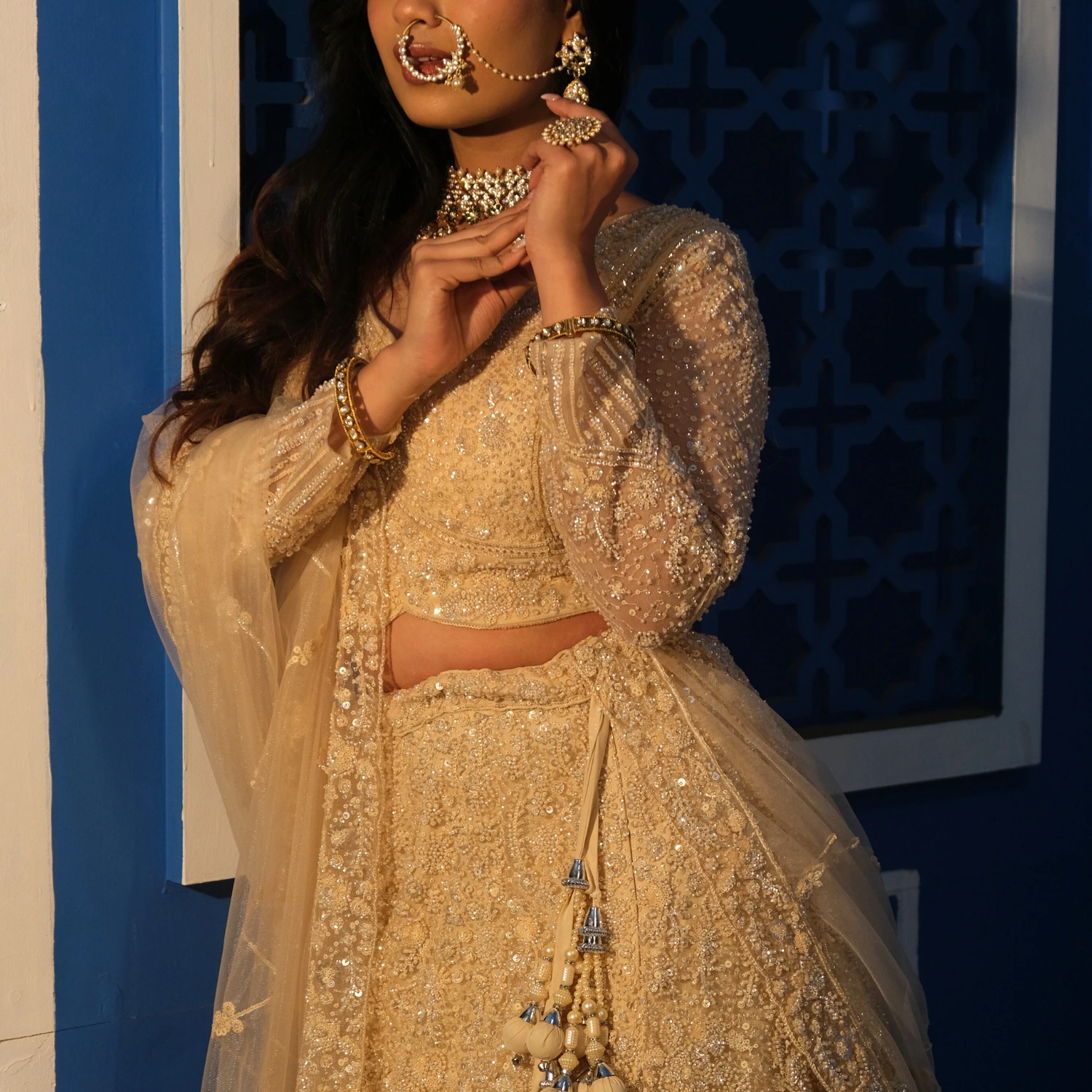
Sustainability
has become a powerful influence in Indian fashion, shaping not only how
garments are produced but also how shoppers discover and choose ethnic wear
online. Search interest around handloom sarees, sustainable ethnic fabrics, and
eco friendly Indian wear continues to grow as consumers seek fashion that
balances beauty with responsibility.
As Indian ethnic wear evolves, sustainability is
no longer a niche concept—it is a defining direction shaping festive, wedding,
and everyday ethnic wardrobes for 2026 and beyond.
Why Sustainable Ethnic Wear Matters Today
Modern
consumers are becoming increasingly aware of the environmental and cultural
impact of their clothing choices. Sustainable ethnic wear supports slower
fashion cycles, responsible sourcing, and craftsmanship that values longevity
over disposability.
This shift has
made keywords like sustainable ethnic fabrics and eco friendly Indian wear
strong search drivers, particularly among wedding shoppers and conscious buyers
who want meaningful purchases rather than one-time outfits.
Handloom Sarees and the Value of Craft
Handloom
sarees represent the foundation of sustainable Indian fashion. Woven using
traditional techniques, these garments preserve textile heritage while
supporting artisan communities.
Handloom
fabrics stand out for:
·
Natural texture and breathable
comfort
·
Durability and long-term
wearability
·
Unique weaves that cannot be
replicated by machines
By choosing handloom, wearers invest in
craftsmanship that carries cultural depth and individuality—qualities
increasingly valued in festive and wedding ethnic wear.
Sustainable Ethnic Fabrics Shaping 2026
Sustainability
in ethnic wear begins with fabric choice. Natural fibres and responsibly
sourced textiles are gaining preference for their comfort, durability, and
reduced environmental impact.
Key
sustainable fabric trends include:
·
Handwoven silks and cotton
blends
·
Lightweight natural fabrics
that age gracefully
·
Low-impact dyeing and
traditional finishing techniques
These
materials allow ethnic wear to remain elegant while aligning with conscious
fashion values.
Ethical
Craftsmanship and Longevity
Beyond fabric,
sustainability is deeply connected to craftsmanship. Hand embroidery, weaving,
and detailing ensure that each garment holds lasting value. Instead of
trend-driven fast fashion, sustainable ethnic wear focuses on pieces that can
be reused, restyled, and preserved.
Well-crafted
garments often transition into heirloom pieces, strengthening emotional
connection and reducing fashion waste.
Dulhan's Approach to Sustainable Ethnic Wear
At Dulhan,
ethnic wear is curated with an emphasis on craftsmanship, quality, and timeless
appeal. From thoughtfully designed sarees to intricately crafted festive
ensembles, Dulhan supports fashion that extends beyond single-use occasions.
By offering
designs rooted in tradition and durability, Dulhan aligns with the growing
demand for sustainable ethnic fabrics and mindful fashion choices, making the
ethnic store a destination for conscious celebration wear.
Sustainable
and handloom ethnic wear is shaping the future of Indian fashion. As shoppers
increasingly search for handloom sarees, eco friendly Indian wear, and
ethically crafted garments, sustainability becomes both a style statement and a
value-driven choice.
By embracing responsible fabrics and skilled
craftsmanship, Indian ethnic wear continues to evolve—honouring tradition while
building a more thoughtful future.